Fuerteventura: our island guide
The island
Fuerteventura is the second largest of the Canary Islands, just south of Lanzarote and around 100 km off the coast of Africa. It's known for long sandy beaches, open volcanic landscapes and reliable sunshine, and it's regarded as the oldest of the Canaries. In 2009 UNESCO declared the whole island and the sea around it a Biosphere Reserve.
The people of Fuerteventura are still called Majoreros, a name said to come from the goatskin shoes, or mahos, worn by the first islanders. Today they share the island with plenty of British, Irish, German and other European neighbours.
The main resorts
Caleta de Fuste
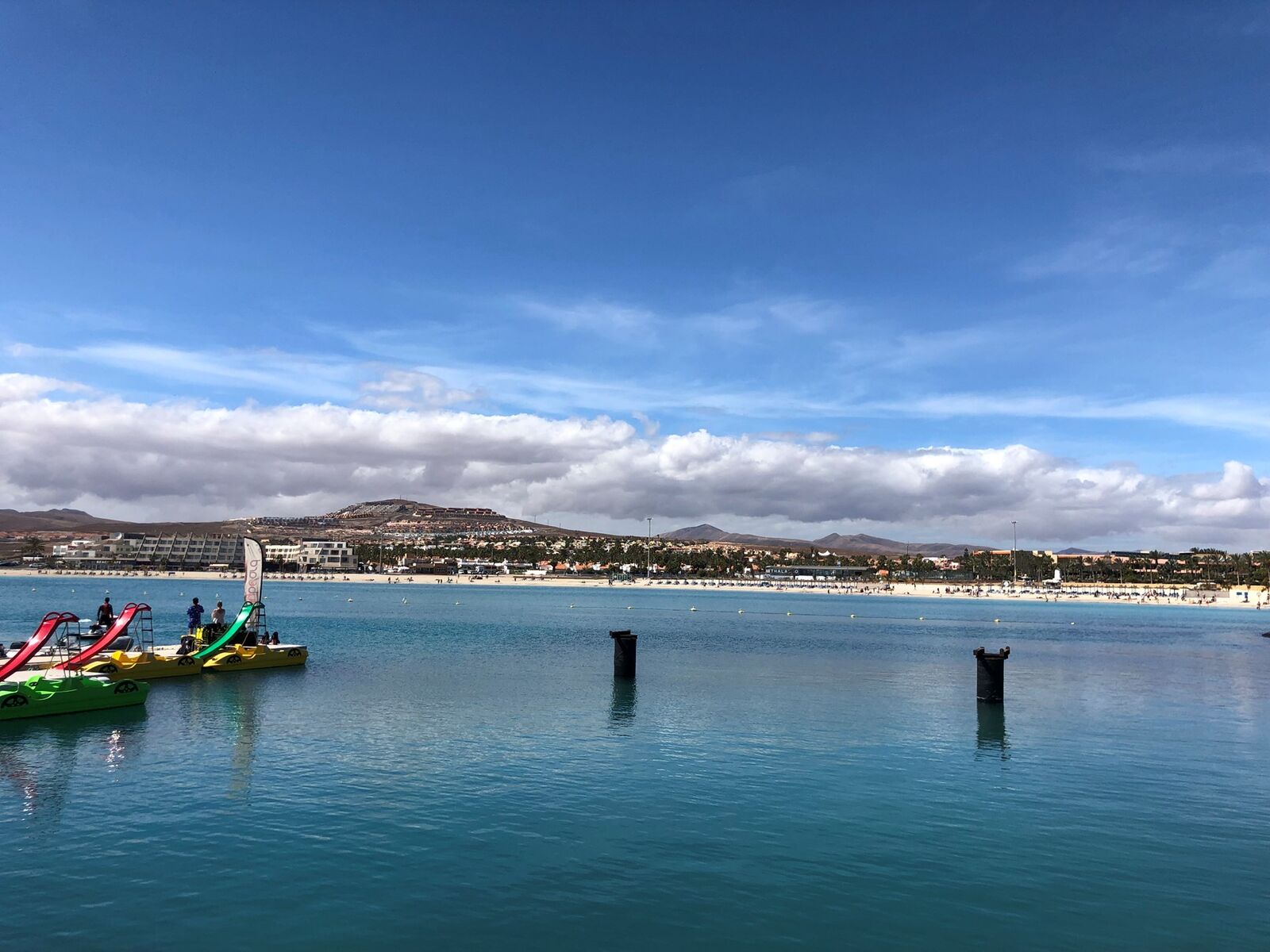
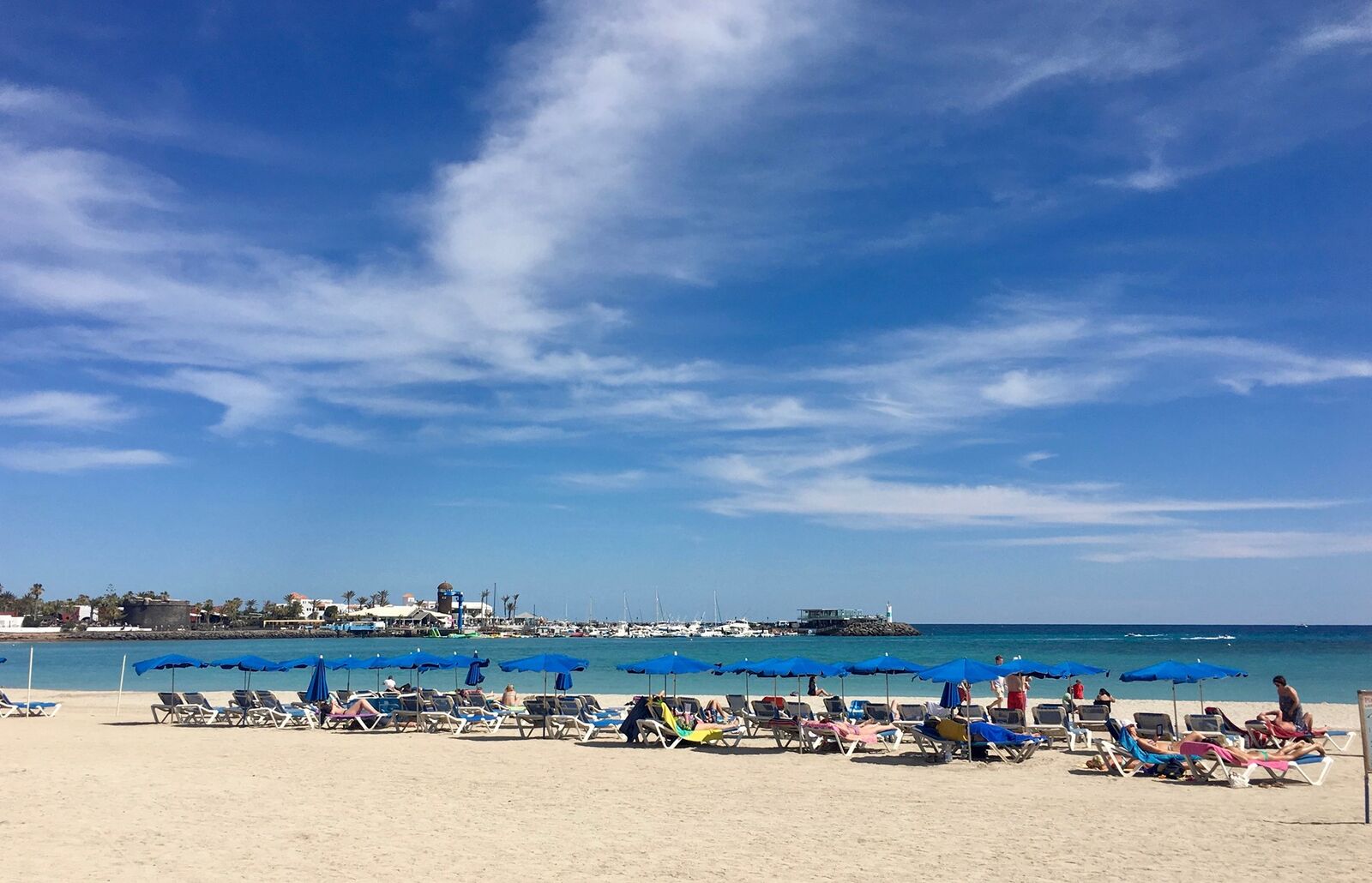
On the east coast, about 8 km south of the airport. A sheltered beach, a small harbour, three sea lagoons, two 18-hole golf courses and the Atlántico shopping centre. It's where we live and where all our homes are: see our guide to Caleta de Fuste.
Corralejo
In the north, with a lively harbour, the white sand dunes of the Corralejo Natural Park, and ferries to Lobos island and Lanzarote. Fishing trips leave from the harbour, and gentler cruises look for dolphins and whales.
Jandía
In the south, famous for its long golden beaches and lagoons. Sotavento is a favourite with windsurfers and kitesurfers, and the fishing village of Morro Jable has plenty of seafood restaurants. Pico de la Zarza, the island's highest peak at around 812 metres, rises behind it.
Puerto del Rosario and Betancuria
Puerto del Rosario, 12 km north of Caleta, is the capital and has the island's biggest shopping centre. Betancuria, inland in the mountains, was the capital for centuries and makes a good half-day trip for its church and museums.
Landscapes and wildlife
Away from the beaches you'll find wide plains, volcanoes and old lava fields, and the mountain of Tindaya, which the island's first people held sacred. Look out for the guirre, the Canarian Egyptian vulture, the only vulture in the Canary Islands. Lobos, the small uninhabited island off Corralejo, is a nature reserve and a protected area for birds.
Weather
Fuerteventura is warm all year and it rarely rains, with around 2,800 hours of sunshine a year. Summer highs average 26 to 28°C, usually with a cooling breeze, and winter highs stay around 21 to 22°C, which is why so many people come for winter sun. Now and then a warm, dusty wind called the calima blows in from the Sahara for a day or two.
Getting here and around
Fuerteventura Airport is on the east coast, a short drive from Caleta de Fuste, with direct flights from most UK airports. To explore the island, hire a car: the main roads are good, but most hire cars aren't insured on dirt tracks. For days out, see our Fuerteventura travel guide, and for golf, our guides to Fuerteventura Golf Club and Salinas de Antigua.
Before you travel, check the UK government's travel advice for Spain.